
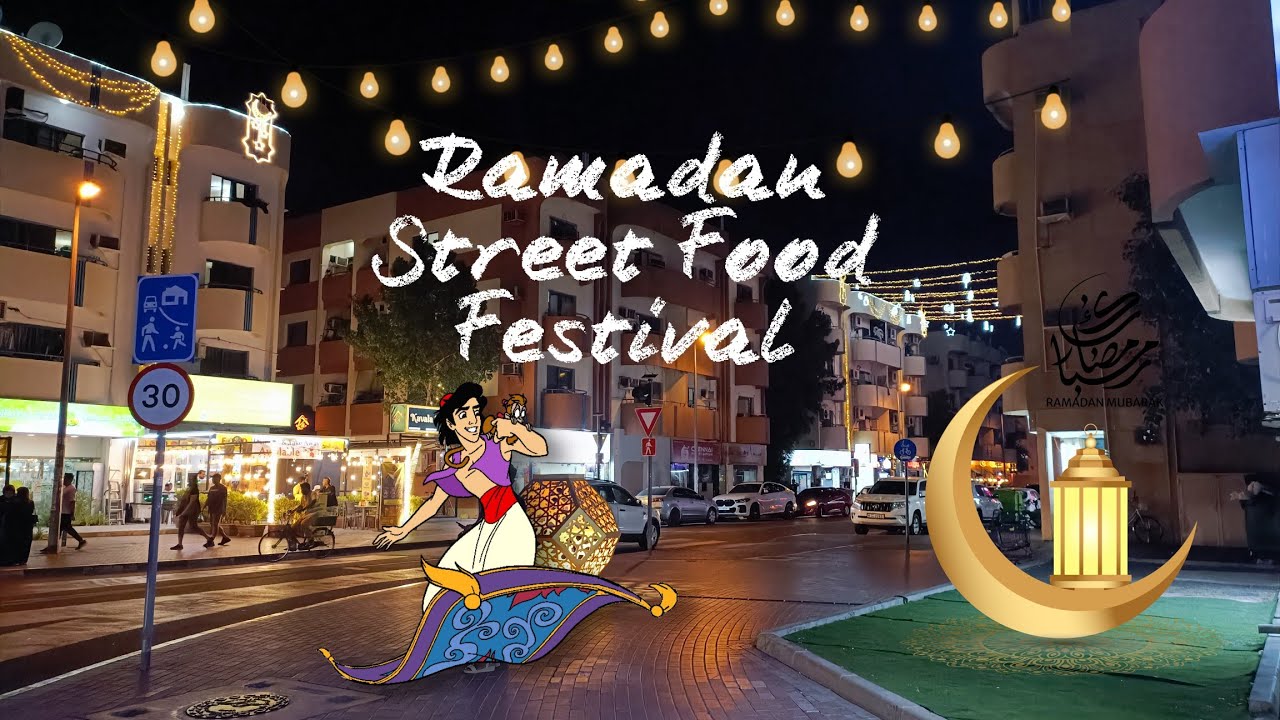
Dubai’s Ramadan Street Food Festival returns to Al Karama for its fourth edition, running from Thursday, 19 February 2026 to Wednesday, 18 March 2026. It takes place in Sheikh Hamdan Colony, Karama, with the main activity spread across walkable areas near Karama Park. The festival opens daily from iftar time and continues until 2:00am, so you can drop in at almost any hour. For official visitor support in Dubai, you can contact the Dubai Department of Economy and Tourism on 600 555559. Entry is free, and dishes are promoted as starting from AED 5.
A Ramadan night out that feels local
This festival stands out because it keeps the atmosphere neighbourhood-first, rather than feeling like a ticketed venue. Meanwhile, the setting makes it easy to come as a group and still split up for different cravings. Also, because it runs late, it suits post-iftar plans without rushing dinner at home. You do not need tickets or reservations, so you can simply arrive and explore at your own pace (family-friendly, suitable for couples, solo).
Two hubs connected by the Food Trail
The 2026 layout unfolds across two distinct zones within Sheikh Hamdan Colony, widely promoted as Flavour Lane and Culinary Crossroads at Karama Park. These hubs connect through a dedicated Food Trail, so the experience feels like one continuous street-food walk. However, the crowd density changes block by block, so keep moving if one pocket feels too tight. Expect two lively zones and a steady flow of stalls between them, especially after 9:00pm.
How to pace a 130 plus restaurant lineup
With more than 130 participating restaurants, it helps to treat the night like a tasting walk rather than a sit-down meal. Start with lighter bites first, then move to grills and richer plates later, because queues often build as the night gets deeper. Meanwhile, if you arrive closer to 10:00pm, you can often find faster service at the edges of the trail. Dishes start from AED 5, but your total spend depends on how many stops you make, so plan a flexible budget (approximately).
What you can expect on the menus
The festival spotlights South Indian classics and Asian street food staples, so you will see familiar comfort dishes alongside new flavours. Meanwhile, you can mix savoury plates with quick sweet treats to keep the walk balanced. Also, the sizzling grill stations can draw the biggest lines, so consider visiting those earlier. If you have dietary preferences, ask vendors directly before ordering, because menus can vary by stall (family-friendly).
Nightly stage programming from 1 March
From Sunday, 1 March 2026, the main stage introduces nightly performances with MCs, storytellers, children’s entertainment, and instrumental music. Programming is promoted as starting at 9:15pm each evening, and weekends may run longer depending on the night. So, you can eat early, then settle near the stage once the show begins. If you want seating near performances, arrive earlier than 9:00pm, because those areas fill quickly (family-friendly, suitable for couples).
Roaming entertainment and the carnival zone
Beyond the stage, roaming artists add movement across the grounds, including henna, Arabic calligraphy, live caricatures, tanoura dancers, LED stilt walkers, and street performers. Meanwhile, you can dip in and out of these moments between food stops without committing to a fixed schedule. A dedicated carnival zone features classic games such as Ring Toss, Smash the Can, Hook a Duck, Basketball Throw, and Lucky Bucket, which can be a good break for kids. Keep an eye on children around the busiest crossings, especially near peak food times (children and family-friendly).
Community iftars and shared-table evenings
Across the festival duration, the programme includes 18 community iftars designed around long picnic-style tables seating up to 150 guests. These gatherings take place around Maghrib on selected dates, so they can feel like a welcoming, communal way to break the fast. However, seating is typically first come, first served, so arriving early matters if you want a place at the long tables. If community iftar seating is your priority, come well before Maghrib, not just before 9:30pm (family-friendly, suitable for couples, solo).
Getting there by metro and short taxi
Karama gets busy after iftar, so public transport can save time and stress. BurJuman Metro Station and ADCB Metro Station can both work as practical anchors, and then you can finish with a short walk or a quick taxi hop into Sheikh Hamdan Colony. Meanwhile, if you plan to stay until late, the metro timing matters, so check your return window before you commit to a 2:00am finish. Using the metro can reduce parking frustration, especially on weekend nights.
Driving and parking around Karama
If you drive, plan for slower traffic after iftar and another squeeze point closer to 9:00pm, especially on Thursday, Friday, and Saturday nights. Also, parking in Karama can feel limited during popular Ramadan evenings, so consider parking a bit farther and walking the last stretch. Meanwhile, taxi drop-offs can be quicker if you choose a nearby street and finish on foot, rather than aiming for the most crowded curb. Limited parking capacity can turn a short trip into a long loop, so build extra time into your plan.
Arriving from Abu Dhabi Sharjah and nearby Emirates
From Abu Dhabi, it usually feels smoother if you aim to arrive closer to iftar rather than later, because central Dubai traffic can stack up as the night progresses. From Sharjah and the Northern Emirates, evening bottlenecks can intensify after iftar, so leaving earlier helps you settle in without stress. Meanwhile, for the return journey, roads often feel easier after 10:30pm as crowds thin out. If you have a long drive home, choose comfort over the closest viewing spot, and start moving back soon after your last food stop.
Late February and March comfort notes
Expect warm evenings that can cool down after midnight, so a light layer can feel useful once you stop walking. Meanwhile, comfortable shoes matter, because the best part of this festival is roaming, not standing still. Also, expect the busiest footfall from roughly 9:00pm to 11:30pm, so earlier arrivals often get easier seating and faster service. The single most important advice is to arrive early if you want a smoother night, and remember that any food totals you pay on the spot are approximately and can change by vendor or day. For ongoing Ramadan night planning ideas in Dubai written in a similar news style, the editor team at www.few.ae regularly tracks what people can do across the city.