
Dubai expects Ramadan 2026 to begin around Thursday, 19 February 2026, depending on the official moon sighting, and visitors will notice a clear shift toward later evenings across the city. For practical help, Dubai’s tourism contact centre is 600 555559 at One Central, Dubai World Trade Centre area, Sheikh Zayed Road, Dubai. For transport updates, the Roads and Transport Authority answers on 800 9090, and for city service requests Dubai Municipality answers on 800 900 at Building 20, Baniyas Road, Al Rigga area, Deira, Dubai. For safety support, Dubai Police uses 999 for emergencies and 901 for non-emergency help, with its headquarters in Al Twar 1, Dubai. If you plan your day earlier and your evenings later, Dubai feels smoother during Ramadan.
Understanding the Ramadan rhythm in Dubai
Ramadan is not a “closed city” month in Dubai, but it is a month with a different heartbeat. During the day, you will often see quieter public spaces, gentler pacing, and fewer loud daytime social plans. However, right after sunset, the city becomes lively in a warm, communal way, especially on waterfronts and in heritage districts. Because families gather for iftar at sunset, roads and dining areas tighten for a short window, and then things open up again. Also, many people stay out later than usual, so malls and promenades can feel busiest from about 9:00 PM onward. Treat Ramadan nights like a prime-time season and book or arrive earlier than you normally would. (family-friendly, suitable for couples, solo)
Respect in public without feeling anxious
Tourists do not need to feel nervous, yet they should follow the tone of the month. Many hotels and restaurants serve all day, and Dubai remains visitor-friendly, but public etiquette matters more than usual. So, when you walk in older neighbourhoods and busy public areas, keep food and drinks discreet during daylight, and avoid smoking openly where it may feel disrespectful. Also, choose modest clothing in malls, public venues, and heritage areas, especially in the evening when families gather. When you mirror the city’s respectful mood, you will receive a warmer welcome everywhere. (family-friendly, suitable for couples, solo)
The best times to move around the city
Ramadan traffic patterns are predictable once you know the key windows. In most areas, roads get heavier from late afternoon until just after sunset, because people try to reach home or their iftar table on time. Then, traffic can rise again later in the evening, especially on Thursday and Friday nights, as families head out after prayers. Because of this, it helps to schedule your sightseeing from late morning through mid-afternoon, then rest, and restart your evening with purpose. Avoid long cross-city drives in the final hour before sunset whenever possible. (family-friendly, suitable for couples, solo)
Desert iftar experiences that feel like a mini expedition
A desert iftar is one of the most memorable “beyond restaurants” experiences, because the sunset becomes part of the plan. Many operators start pickup and check-in in the late afternoon, then serve iftar around sunset, followed by cultural activities and a relaxed night under the stars. Pricing varies by operator and transfer type, yet a realistic range is approximately AED 150 to AED 350 per person depending on inclusions. Also, some desert nights focus on calm heritage hosting, while others feel more entertainment-led, so the tone can differ even at the same price. Bring closed shoes, a light layer, and patience for the return traffic back into Dubai. (family-friendly, suitable for couples)
If you come from Abu Dhabi, leaving around mid-afternoon often prevents a stressed arrival close to sunset. Meanwhile, if you come from Sharjah or Ajman, it helps to use a Dubai pickup point rather than driving deep into desert routes right before iftar. Also, if anyone in your group gets motion sickness, ask for a non-dune-bashing option, because not every desert itinerary suits every guest. Reservations are usually required, especially on Friday and Saturday nights. (family-friendly)
Yacht and waterfront iftar for skyline views
A yacht iftar gives you Dubai Marina scenery and a breezy evening without the intensity of a crowded promenade. Many shared cruises board around 5:30 PM and depart near 6:00 PM, then serve iftar and continue with a gentle cruise as the city lights come on. Pricing often lands around approximately AED 150 to AED 250 per adult, with discounted children’s rates depending on the operator and package. Because Marina roads tighten in Ramadan evenings, it helps to arrive early, park once, and walk to the pier with time to spare. If you dislike parking stress, choose a taxi drop-off and walk the last stretch. (family-friendly, suitable for couples, solo)
For ticketed cruises and big seasonal experiences, reliable channels often include PLATINUMLIST and official venue booking desks, depending on the operator. Also, keep your booking confirmation ready on your phone, because pier staff may check details quickly at boarding. Confirm boarding time carefully, because late arrivals can miss the departure. (family-friendly)
Heritage house iftar with stories and local context
A heritage house iftar is ideal if you want meaning, conversation, and cultural detail rather than a big buffet atmosphere. In Al Fahidi, you will find experiences that include Emirati dishes, guided context, and a respectful setting that suits visitors who want to understand the month. Pricing commonly sits around approximately AED 180 per adult with reduced children’s pricing on some nights, although availability changes by date. Because these are smaller venues, they often sell out earlier than large hotel tents. This experience works best when you arrive early and treat it as a cultural evening, not a quick meal. (family-friendly, suitable for couples, solo)
If you come from Sharjah, the smoothest plan is Metro to an older-district connection, then a short taxi ride, because parking around the heritage lanes can feel tight. Meanwhile, if you stay in Downtown or Business Bay, you can reach Bur Dubai earlier and avoid last-minute road pressure. Also, keep your group’s pace gentle, because Al Fahidi lanes are best enjoyed slowly. Children usually enjoy the storytelling, yet very late timings may not suit toddlers. (family-friendly)
Ramadan tents as destinations without a standard restaurant feel
Many visitors assume tents are only for food, but the best ones feel like seasonal social spaces with a distinct Ramadan atmosphere. You often get majlis seating, Arabic coffee service, live oud on some nights, and a steady flow of families and groups. Prices vary widely by venue, yet you can expect approximately AED 250 to AED 500 per person depending on location, day of week, and whether it includes premium seating. Also, weekends book faster, and valet queues can become the real wait. If you want an easier evening, choose a weekday and arrive well before sunset. (family-friendly, suitable for couples)
Night markets, cultural pop-ups, and family activities after iftar
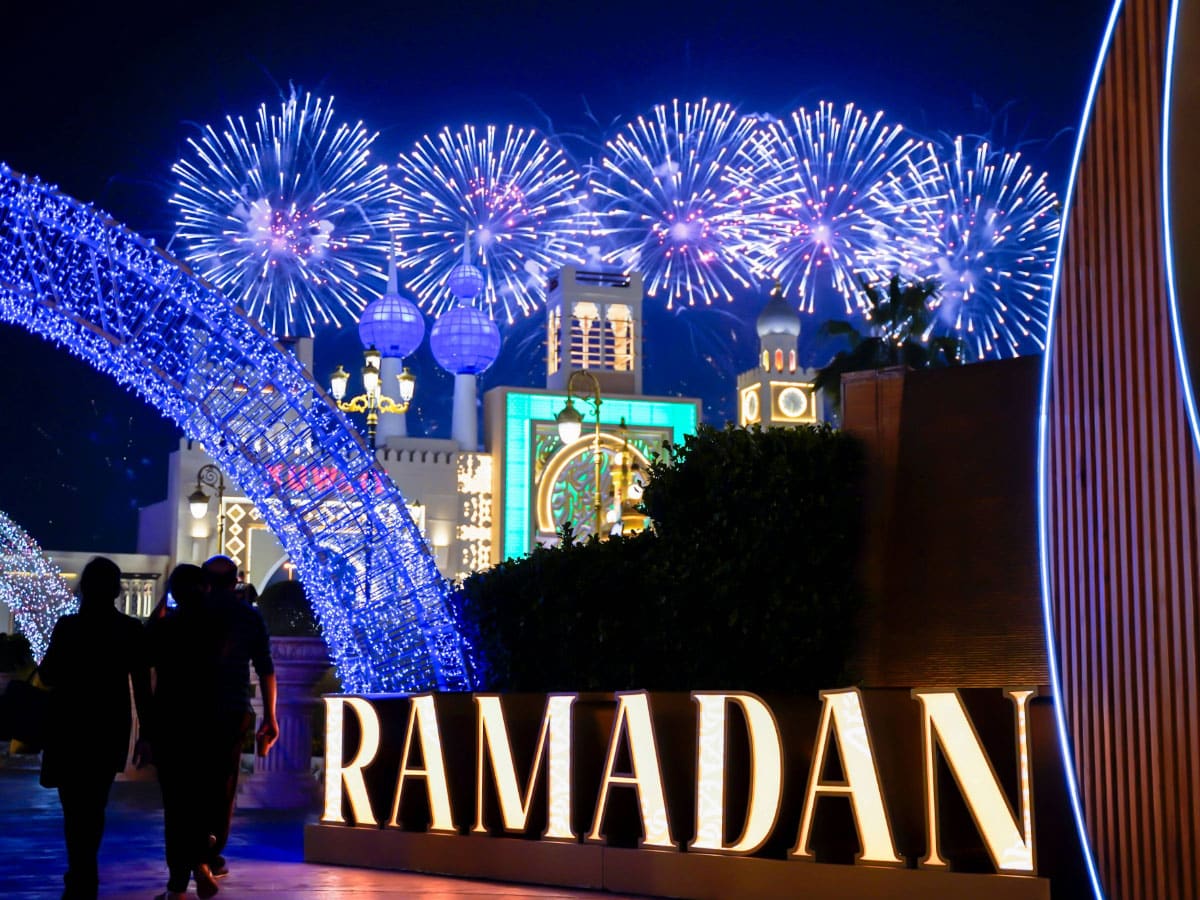
For tourists who want movement and variety, Ramadan night markets and promenade-style events are often the easiest win. Many venues offer free entry, and you pay only for snacks, crafts, and activities, which keeps the evening flexible. Also, these spaces usually feel family-first, with room for strollers and casual walking loops, especially at waterfront hubs and open-air districts. Spending can stay light if you snack slowly, yet families often budget approximately AED 30 to AED 120 per person depending on how much they try. Go after 8:30 PM for the best atmosphere, but expect bigger crowds on weekends. (family-friendly, suitable for couples, solo)
If you want a simple plan, do one main destination per night instead of hopping across Dubai. So, pair a waterfront promenade with a light show, or pair a heritage area with a calm coffee stop, and then call it a night. That approach keeps kids happier and keeps drivers calmer. Pick one anchor activity and let the night unfold around it. (family-friendly)
Prayer-time awareness for visitors
You do not need to participate in prayers to be respectful, yet you should understand the timing shifts. Right after sunset, many families focus on iftar, and later in the evening you may see increased movement around mosques for taraweeh prayers. So, if you dine in busy areas, you may notice service rhythms change slightly around those moments. Also, keep noise levels down near prayer areas, and avoid blocking walkways in older districts where crowds gather. When you give people space during prayer transitions, the city feels calmer for everyone. (family-friendly, suitable for couples, solo)
Shopping, alcohol, and nightlife expectations
Ramadan does not remove shopping from Dubai, and malls often feel very active late at night. However, some entertainment and nightlife formats may run differently, and some venues reduce loud music or shift programming to suit the month’s tone. Also, alcohol service rules vary by venue, so you should not assume the same pattern everywhere, especially during iftar hours. Follow the venue’s house rules and keep your behaviour quietly respectful in public spaces. (suitable for couples, solo)
A simple three-night tourist plan that feels authentic
On your first night, choose a heritage-focused evening in Al Fahidi, because it gives you context and calm. On your second night, choose a waterfront market-style hub, because it shows the city’s Ramadan social energy without pressure. On your third night, choose a desert or yacht iftar, because it turns the sunset into the centrepiece of the experience. Also, keep your daytime light with museums, malls, or indoor attractions, then rest before your evening plan. This mix gives you culture, community, and a signature Dubai memory in one trip. (family-friendly, suitable for couples, solo)
Late-night practical notes for tourists in Ramadan
Late February and early March evenings in Dubai usually feel mild, and you will often want a light layer after 9:00 PM, especially near the creek, desert, or on a yacht deck. Footwear matters more than fashion, so choose comfortable shoes for promenades and closed shoes for desert sand. Traffic typically spikes in the hour before sunset and again later in the evening on Thursday and Friday, so arrive early, park once, and avoid last-minute cross-city drives. Metro and taxis can save time around Marina, Downtown, and Sheikh Zayed Road corridors, while heritage areas often reward early arrival because parking tightens. Prices and door rates can change and remain approximately, so confirm with your operator on the day, and use reliable booking channels such as PLATINUMLIST when a ticketed experience requires it. Build your whole evening around arriving early, because that is the easiest way to enjoy Ramadan nights. According to notes shared in a practical tone by the editor of www.few.ae, tourists enjoy Ramadan most when they slow down and let the city lead the pace.