
Dubai’s charity-led free iftar network is expected to expand again in Ramadan 2026, and residents can already confirm official guidance through IACAD on 800 600 or +971 4 608 7777 at Deira, Al Mamzar, near Al Shabab Club, next to Mövenpick Hotels, Dubai. For transport and Metro planning on busy evenings, RTA answers 24/7 on 800 9090, so you can time arrivals around sunset congestion. Dar Al Ber Society supports multiple Ramadan food initiatives and answers on 600 575552, with its head office listed on Sheikh Zayed Street, Al Manara, Dubai. Emirates Red Crescent also operates support points, and its Dubai branch is commonly listed around Garhoud Street, beside Sheikh Zayed Housing, Dubai, with the call centre number 800 733. For broader visitor support and citywide event information, Dubai DET’s main contact centre answers on 600 555559.
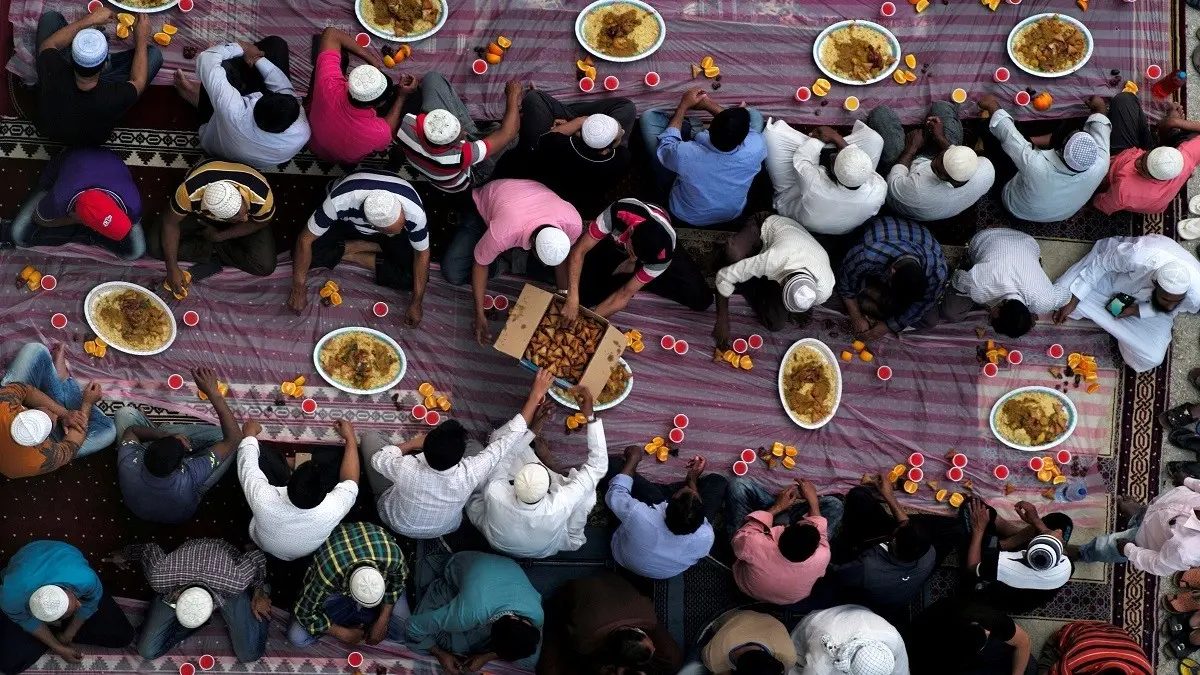
Community iftar has deep roots in the UAE, and Dubai keeps that spirit visible through tents, mosque-adjacent meal points, and volunteer-run serving lines. Because Ramadan follows the lunar calendar, authorities usually confirm the start after moon sighting, and Ramadan 2026 is expected around Wednesday, February 18, 2026 or Thursday, February 19, 2026 depending on the official announcement. Free iftar means AED 0, and you should expect simple, filling food served quickly and respectfully. However, locations can change by district each year, so the most reliable approach is to confirm the nearest permitted point on the same afternoon. If you treat free iftar as a community service rather than a restaurant visit, the experience feels smoother and more meaningful.
Free iftar tents and meal points usually appear in residential neighbourhoods first, because locals can walk in and volunteers can manage crowds safely. As a result, Deira, Bur Dubai, Karama, Al Qusais, Al Twar, and parts of Al Nahda often feel practical, especially when you want a quick arrival and an easy exit (family-friendly in many spots, also suitable for solo). Meanwhile, worker housing zones and industrial areas can host very large distributions, so places around Muhaisnah, Al Quoz, Dubai Investment Park, and Jebel Ali sometimes offer high-capacity options that move fast (best for solo, also fine for groups who arrive early). However, you should avoid guessing at a specific tent address without same-day confirmation, because permits and setups can shift even within the same week. Choose one district per evening, and you will avoid cross-city traffic right before maghrib.
How free iftar points work in Dubai
Most free iftar points operate on a first-come, first-served basis, so arriving early protects your seating and reduces queue pressure (family-friendly at larger sites, better for adults at tighter sites). Many sites start gathering 20 to 40 minutes before maghrib, and volunteers usually serve dates and water first, then complete the meal. However, if a location runs out of space, staff may redirect late arrivals to nearby points, so staying calm helps everyone. You do not need tickets, and you should expect AED 0 for food, although some charities accept optional donations separately. Bring patience, arrive earlier than you think, and let volunteers manage the flow.
IACAD-permitted charity iftar areas near mosques
IACAD plays a key role in charity regulation, and many free iftar points cluster near mosques because lighting, access, and crowd direction become easier (family-friendly in many areas, suitable for solo). In these locations, you will often see clear volunteer roles, quick serving lines, and polite reminders about respectful behaviour. However, parking can become the biggest challenge, especially on narrow residential roads and near prayer-time peaks. If you call 800 600 earlier in the day, you can usually narrow down which districts have the strongest coverage that evening. Do not rely on social media location pins alone, because they often lag behind real changes on the ground.
Dar Al Ber Society supported distributions
Dar Al Ber Society often supports Ramadan food programmes across multiple districts, and their call centre on 600 575552 is useful when you want guidance on where help concentrates that day (family-friendly depending on site, suitable for solo). Their listed Dubai address is Sheikh Zayed Street, Al Manara, Dubai, which also helps if you want to ask about nearby distribution partners. Because these programmes can attract queues, you will get better results if you arrive early and keep your expectations practical. Also, if you plan to attend with children, you should ask about seating comfort and crowd density before you go. Free iftar remains AED 0, yet timing and capacity matter more than anything else.
Beit Al Khair and community support points
Beit Al Khair Society is another reliable reference for charitable support in Ramadan, and they publish contact details that help residents confirm assistance channels (family-friendly depending on location, suitable for solo). Their phone line is commonly listed as +971 4 381 0000, and the toll-free number is 800 22554, which is useful during peak hours. Because their support work includes both fixed and partner points, calling earlier in the afternoon often gets clearer guidance than calling close to sunset. Also, if you plan to bring elderly family members, ask specifically about shade, seating, and crowd control. A two-minute call can save you a long drive and a stressful queue.
Emirates Red Crescent options and when they fit best
Emirates Red Crescent supports wide humanitarian activity, and in Ramadan you may see organised distributions that prioritise fast serving and large volumes (best for solo, also fine for small groups who arrive early). In Dubai, listings commonly place their branch around Al Garhoud, Deira, with a location description near Garhoud Street, beside Sheikh Zayed Housing, and the call centre number 800 733. However, the most important detail is not the office address, but where the evening distribution runs that day, so confirmation matters. If you want a predictable routine, you can plan one evening around a high-capacity distribution point and keep other evenings closer to your home mosque area. Go early, follow volunteer instructions, and keep your exit route simple.
Family-friendly nights and calmer neighbourhood planning
If you plan to attend with children, aim for larger community setups where space and seating feel more comfortable, and avoid tight roadside points that can feel crowded (children and family-friendly at bigger sites, better for solo at smaller points). Also, plan bathroom breaks and short walks, because young children often struggle with waiting near the final minutes before maghrib. If you want a calmer pace, choose Monday to Wednesday nights, because Thursday and Friday evenings usually draw bigger crowds. Meanwhile, if you bring guests from outside Dubai, choose a district with easy road access and wider parking options, even if it means a slightly longer walk. Comfort and safety matter more than being “closest” to the serving point.
Arrival and return guidance from nearby Emirates
If you come from Abu Dhabi, leave earlier than usual, because traffic tightens toward Dubai before sunset and stays heavy around mosque corridors (suitable for families with planning, also fine for solo). If you come from Sharjah or Ajman, consider routes that reduce coastal congestion, and avoid last-minute lane changes near dense residential exits. Also, when possible, use Metro for the final stretch into central Dubai, because it can reduce parking stress and shorten the “search for a space” loop. For a smoother return, wait 20 to 40 minutes after iftar before you drive off, because many people leave at the same moment. Plan your return like a short night trip, not like a quick dinner stop.
Opening-week evening watch for Wednesday, February 18, 2026
Forecasts show hazy sunshine around 30°C in the day and 20°C at night, so the evening should feel comfortable, yet visibility may soften on faster roads. Because it is an early Ramadan night, many people try new locations, so you should pick a familiar district and arrive early. Older residential areas often feel organised and steady on early nights, especially near large mosques and charity partners (family-friendly in many spots, suitable for solo). Parking can tighten sharply 20 minutes before maghrib, so walking the last few minutes can save time. Arrive early and keep expectations simple, because the first nights always run busier than people predict.
Opening-week evening watch for Thursday, February 19, 2026
Hazy sunshine continues with about 31°C and 20°C, so a light layer still helps later in the evening after prayers. Thursday evenings often feel busier, so choose a district where you can park once and stay local, rather than hopping between areas. If you want higher capacity, consider districts that host larger volunteer teams and wider access roads (best for solo, also fine for groups who arrive early). However, avoid arriving at the last minute, because queues can grow quickly as people finish work. Use a same-day phone confirmation, then commit to one location and stick with it.
Opening-week evening watch for Friday, February 20, 2026
Friday stays hazy with around 31°C and 20°C, and it often brings heavier traffic earlier, especially from 4:30 PM onward. If you plan a family evening, arrive even earlier than usual, because Friday crowds can shift the whole schedule. Also, free iftar points near mosques can feel extremely busy right before maghrib, so choose larger setups where volunteers can manage flow better (family-friendly at bigger sites, better for solo at smaller points). If you rely on taxis, set pickup points a short walk away from the crowd zone to reduce delays. Treat Friday as the peak night, and you will avoid frustration.
Opening-week evening watch for Saturday, February 21, 2026
Saturday shows hazy sunshine again, about 30°C and 20°C, so outdoor waiting remains manageable with water and patience. Weekend nights can attract visitors who do not usually attend free iftar points, so queues may form earlier than expected. If you want a calmer experience, choose a neighbourhood point closer to home and arrive early, then leave slowly after the rush (suitable for couples, suitable for solo, family-friendly in many areas). Parking remains the main pressure, so wider streets and public transport access help. A short walk from a safer parking spot beats circling for a closer bay.
Opening-week evening watch for Sunday, February 22, 2026
Sunday looks slightly cooler at night, around 29°C and 18°C, so a thin layer can feel helpful after 9:00 PM. Sunday evenings often feel steadier than Friday and Saturday, so families can plan a more relaxed pace and still find seating (children and family-friendly at larger sites, suitable for solo). Because traffic tends to spike closer to maghrib, arriving earlier still protects your experience. If haze continues, drive gently and keep headlights on when visibility looks soft. Choose Sunday for your “easy night” and keep Friday for your “busy night.”
Opening-week evening watch for Monday, February 23, 2026
Hazy sunshine continues near 30°C and 19°C, so the night remains comfortable, yet the air can feel slightly heavier near the coast. Monday usually brings a more routine crowd, so it can be a good time to test a new district if you already confirmed by phone (suitable for solo, suitable for couples, family-friendly in many areas). If you come from Sharjah, aim to arrive well before the last hour before maghrib, because the final approach into Dubai can slow suddenly. Also, plan a calm return after prayer time rather than rushing out immediately. Monday rewards steady planning, so keep your schedule simple and you will enjoy it more.
Opening-week evening watch for Tuesday, February 24, 2026
Tuesday trends brighter with plenty of sunshine, around 31°C and 20°C, so visibility should improve compared with hazier days. This can be a good evening for families who want a smoother drive and a less compressed atmosphere (family-friendly at larger points, suitable for solo). Still, traffic near mosques and community tents can build quickly near maghrib, so arrive early and park safely. If you plan to switch districts after iftar, avoid cross-city moves and keep your night local. Even on a clearer evening, the biggest risk remains last-minute arrival pressure.
Weather and transport notes for smoother free iftar nights
This opening-week outlook points to warm evenings, mostly hazy sunshine, highs around 29°C to 31°C, and lows around 18°C to 20°C, so breathable clothes work best while a light layer helps later. Because haze can reduce visibility, drive gently and keep extra distance, especially on faster roads toward industrial zones. Traffic and parking usually peak from about 5:15 PM until shortly after maghrib near mosques, so Metro, short walks, and early arrivals can reduce stress. Even though free iftar stays AED 0, capacity rules and serving points can change daily, so treat timings as flexible, and confirm again on the same afternoon. Call the official numbers and confirm your location before you drive. Also, if a free point reaches capacity, nearby paid hotel iftars can cost approximately AED 150 to AED 400, and prices can change by date and venue. Finally, the editors at www.few.ae have been tracking official Ramadan updates closely, and they expect more confirmed community iftar points to appear as permits and volunteer rosters go live.