
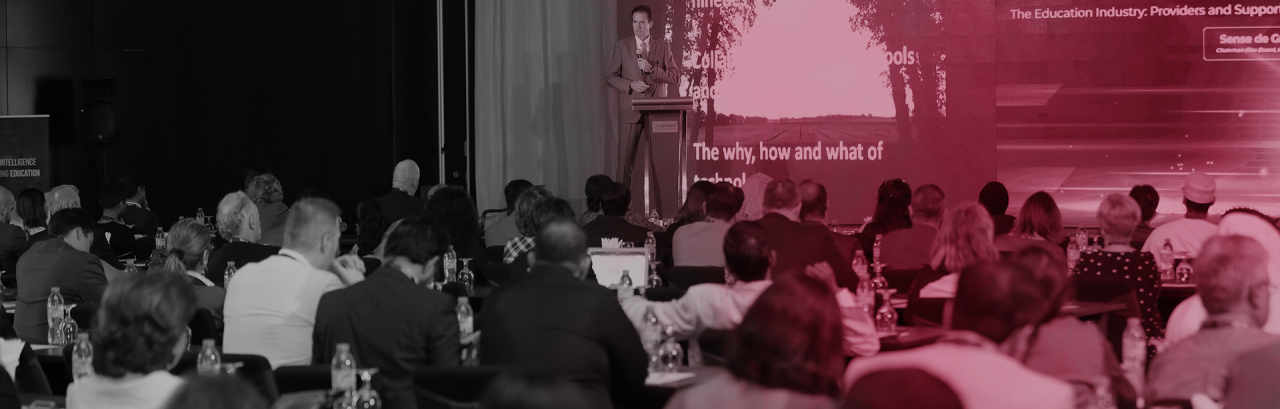
Education 2.0 Conference Dubai 2025 is set to turn InterContinental Dubai Festival City into a three day hub for teachers, policymakers and EdTech leaders. The event is planned as part of a broader 2.0 series that focuses on how education systems respond to rapid social and technological change. Organisers describe it as a place where classroom practice, research and startup innovation meet in one shared space. Over three packed days, the program highlights real world case studies rather than only theory or policy talk. Sessions run across multiple rooms from early morning to late afternoon, with networking corridors active all day. This is a professional learning summit aimed at adults in education and training (suitable for solo professionals, student delegates, institutional teams).
Conference venue and daily schedule
The conference takes place at InterContinental Dubai Festival City, a waterfront hotel connected directly to Dubai Festival City Mall on Dubai Creek. Across the main ballroom and adjoining meeting rooms, organisers build a multi track program that runs from around 07:30 to approximately 17:40 each day. The Dubai 2025 edition is scheduled for three consecutive days in early December, for example from Monday, 8 December to Wednesday, 10 December 2025, with registration and breakfast networking starting shortly after 07:30. Throughout the day, attendees move between keynotes, panel discussions, interactive workshops and poster style sessions. Short coffee breaks and a longer lunch break help people reset and arrange quick meetings between sessions. To benefit fully, plan to stay at the venue from 07:30 until around 17:40 on each conference day.
Themes, tracks and session formats
The Education 2.0 agenda usually builds around themes like reimagining classrooms, assessment innovation, teacher wellbeing, digital transformation and equity in access. In Dubai 2025, you can expect a mix of sessions that examine how schools, universities and training providers adapt curricula to new skills demands. Organisers tend to divide content into tracks such as K–12, higher education, vocational training, EdTech, leadership and policy, so delegates can follow the strands that matter most. However, the schedule also includes joint plenary sessions where everyone comes together to hear keynote speakers. Panel formats encourage lively discussion, while case study sessions highlight practical examples from schools and education companies. If you want maximum value, build your personal schedule around two or three key tracks instead of trying to attend everything.
Who typically attends the Education 2.0 Conference
Education 2.0 attracts a broad cross section of the education ecosystem rather than a narrow academic audience. School principals, university deans, heads of department and curriculum leaders attend alongside classroom teachers who focus on learning design. EdTech founders, product managers and investors join to discuss how digital platforms and tools can support learning. Government representatives, regulators and NGO project leads also appear on panels, particularly when sessions touch on funding, accreditation and access. Consequently, the event feels like a networking marketplace for ideas across public, private and non profit sectors. This mix makes the conference particularly valuable for people who want cross sector connections, including solo educators, EdTech teams and institutional delegations.
Ticket ranges and accommodation options
Although prices may change, Dubai editions of Education 2.0 generally position themselves in the premium conference segment. Standard three day delegate passes for professionals often sit in a high four figure range in AED, with many packages priced at around approximately AED 9,000 to AED 11,000 for full access to all days. Discounted passes for students or early career educators sometimes appear at lower levels, while group rates may reduce the per person cost for schools or universities that send teams. Because the event takes place inside InterContinental Dubai Festival City, organisers often negotiate special room rates for registered delegates, with conference period hotel nights typically starting from approximately AED 800 to AED 900 per night, excluding taxes. Treat all ticket and hotel figures as approximately and budget with a comfortable margin if you are travelling as a team.
Networking, awards and exhibition area
Beyond talks and panels, Education 2.0 places strong emphasis on structured and informal networking. An exhibition area near the main halls features EdTech companies, content providers, training organisations and education charities. Attendees can explore learning platforms, assessment tools, classroom hardware and professional development offerings between sessions. In addition, the conference usually hosts recognition segments that highlight innovative schools, standout educators and impactful projects through awards or spotlight presentations. Evening mixers or informal meetups sometimes emerge around the hotel’s lobby and restaurants. Block out time in your calendar for exhibition walks and networking breaks, because many partnerships and job opportunities begin in those corridor conversations.
Getting to InterContinental Dubai Festival City
InterContinental Dubai Festival City sits in Dubai Festival City, close to Dubai Creek and a short drive from Dubai International Airport. If you stay in Downtown Dubai, Business Bay or DIFC, you can usually reach the hotel by taxi or ride hailing service in about 15 to 25 minutes outside peak traffic. From Dubai International Airport, the journey often takes only 10 to 15 minutes, which is convenient for international delegates arriving the night before. Public transport users can travel by Dubai Metro to stations such as Emirates or Creek, then continue by taxi or RTA bus to Dubai Festival City Mall and walk through the mall into the hotel. On site parking combines hotel spaces and larger mall car parks, but morning and late afternoon peaks can still feel busy. To avoid stress, aim to arrive at Dubai Festival City at least 30 to 45 minutes before the 07:30 start on each day.
Travel suggestions from other Emirates
If you drive from Sharjah, Ajman or Umm Al Quwain, you should factor in heavy morning traffic on the Dubai Sharjah corridor. On a weekday, the journey to Dubai Festival City can easily reach 60 to 90 minutes, particularly between 07:00 and 09:00. Therefore, many educators from Northern Emirates choose to leave before 06:30 or stay overnight in Dubai during the conference. From Abu Dhabi, the trip along Sheikh Zayed Road typically takes around 90 minutes to two hours by car, depending on departure time and stops. Delegates from Ras Al Khaimah or Fujairah sometimes plan to arrive in Dubai the previous evening and use the extra time for preparation or informal meetings. Whichever Emirate you start from, plan your outbound and return journeys so that you are comfortably seated in the hall before the first keynote rather than walking in late.
Practical details inside the venue
Inside InterContinental Dubai Festival City, registration desks usually appear just outside the main ballroom, where staff check passes and issue badges. You will find coffee stations in nearby foyers during breaks, while lunch is often served either in dedicated buffet areas or through vouchers that can be used within the wider Festival City complex. The venue offers accessible routes with lifts and ramps, yet it remains wise to inform organisers in advance if you have specific mobility or sensory needs. Strong air conditioning keeps halls cool, so a light layer such as a blazer or cardigan is helpful even on warm days. Keep your badge, identification and a small notebook or tablet with you throughout the day, because you will likely move frequently between rooms and informal meeting spots.
Weather, clothing and closing advice
In early December, Dubai usually enjoys warm, dry conditions, with daytime highs around 28 to 30 degrees Celsius and evening temperatures around 19 to 21 degrees. Rain chances often stay low and the paved walkways around Dubai Festival City mean mud is unlikely, even if a brief shower passes. Light, breathable clothing works well for the outdoor journey to the venue, while a smart blazer, long sleeved shirt or light jacket helps you stay comfortable in cool meeting rooms during the 07:30 to 17:40 program. Morning traffic around key Dubai arteries tends to peak between 07:00 and 09:00, so combining the metro with a short taxi ride can sometimes be easier than searching for parking. Ticket, hotel and transport prices remain approximately and may change as the conference approaches, so double checking details before payment is always wise. Booking your pass, hotel and transport early is the safest way to secure good rates and a smooth Education 2.0 experience, a point often highlighted in conference guides prepared by editors and contributors who write for platforms such as www.few.ae.